Strait of Hormuz: Iran to Mandate Bitcoin for Shipping Tolls, FT Reports
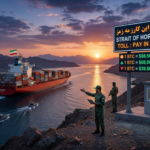
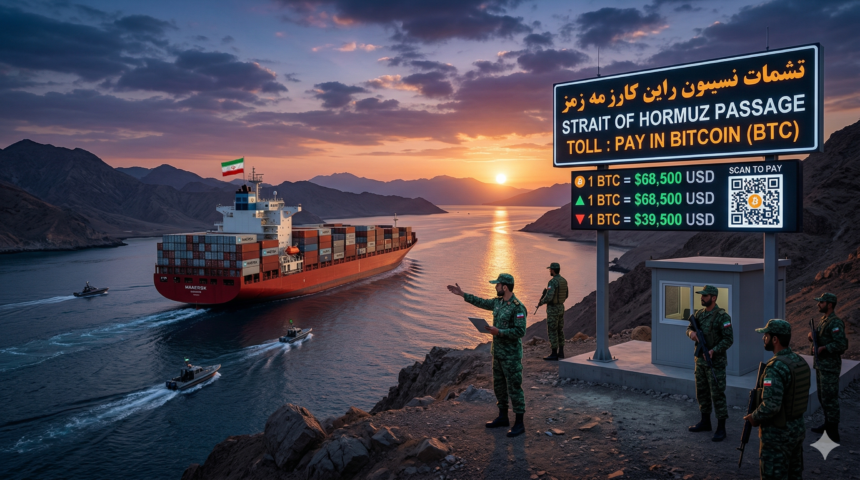
TEHRAN — In a move that sends shockwaves through both global energy markets and the financial sector, Iran is reportedly set to require all commercial vessels transiting the Strait of Hormuz to pay transit tolls exclusively in Bitcoin (BTC).
According to a high-profile report by the Financial Times, this policy represents the most aggressive integration of cryptocurrency into national strategic interests to date, marking a new era of “digital sovereign finance.”
The Strategic Shift: Why Bitcoin?
For decades, the Iranian economy has been stifled by Western-led sanctions, particularly those restricting access to the SWIFT banking network and the US Dollar. By pivoting to Bitcoin, Tehran aims to achieve three primary objectives:
- Sanction Circumvention: Bitcoin’s decentralized nature allows Iran to receive payments without interference from foreign clearing houses.
- De-Dollarization: This move accelerates Iran’s long-standing goal of reducing its dependency on the Greenback in international trade.
- Capital Accumulation: By collecting tolls in a deflationary asset like Bitcoin, the Iranian state could build a massive digital reserve as a hedge against domestic currency inflation.
The Global Chokepoint: Why it Matters
The Strait of Hormuz is arguably the world’s most important oil artery. The stakes for the shipping industry are massive:
- Volume: Roughly 21 million barrels of oil per day—about 20% of global consumption—pass through this narrow waterway.
- Economic Impact: If every tanker and cargo ship is forced to acquire Bitcoin for passage, the constant buying pressure could create a permanent “floor” for Bitcoin’s market price.
| Stakeholder | Potential Impact |
| Bitcoin Markets | Significant price appreciation due to mandatory institutional demand from global shipping fleets. |
| Shipping Companies | Increased operational complexity; firms must now manage “crypto-wallets” and hedge against BTC volatility. |
| Global Regulators | Heightened tension between the US Treasury and maritime insurers over the legality of paying tolls in crypto to a sanctioned nation. |
Technical and Legal Hurdles
While the announcement has stirred the markets, the implementation faces significant “real-world” friction:
1. Price Volatility
Shipping logistics rely on predictable costs. The 10% daily swings common in the crypto market could make “toll budgeting” a nightmare for logistics managers unless Iran introduces a “Stablecoin” peg or a real-time exchange mechanism.
2. Legal Compliance
Many international shipping lines are insured by Western companies. Paying Bitcoin to the Iranian government might be viewed as a direct violation of existing sanctions, potentially forcing shipping giants to choose between the route and their legal standing in the West.
Conclusion: A New Frontier in Geopolitics
The Financial Times report highlights a turning point where technology meets geography. Whether this is a tactical bluff to gain leverage in nuclear negotiations or a genuine pivot toward a crypto-economy, it proves that the Strait of Hormuz remains the world’s most volatile—and now most innovative—chokepoint.
If successful, this “Bitcoin Toll” could serve as a blueprint for other sanctioned nations, forever changing the landscape of international maritime law and digital finance.
Source & References
For more details on the original report, you can refer to the following sources:
- Primary Source: Iran to impose $1-per-barrel toll on tankers in Strait of Hormuz (Financial Times) (Note: FT content is often behind a paywall).
- Secondary Verification: Iran sets $1 per barrel crypto toll on tankers: FT Report (India Today)
- Market Analysis: Iran Demands Bitcoin Payments at Hormuz (Benzinga)